

Sump Pump Buying Guide: How to Choose the Right One
What is a Sump Pump?
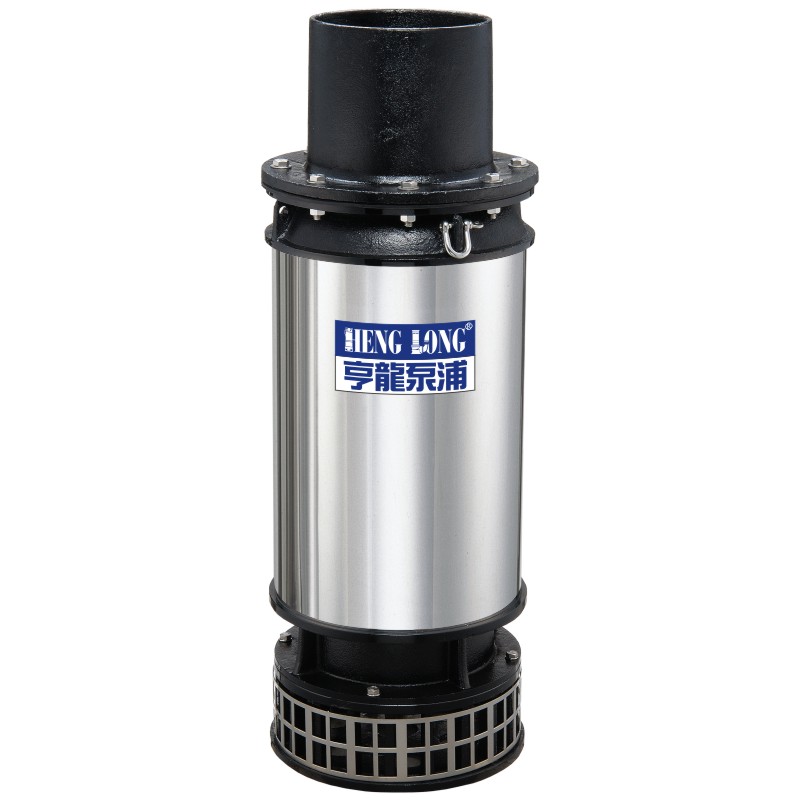
A sump pump is a device designed to remove accumulated water from a sump pit, typically found in basements or low-lying areas prone to flooding. By pumping water away, it prevents damage to homes, businesses, or equipment in regions with heavy rainfall or high groundwater levels. Sump pumps are vital for maintaining dry, safe environments in residential and commercial settings. . They offer high pumping capacity (measured in gallons per hour) and can handle solids in wastewater.
-
How It Works
The sump pump is installed in a pit where water collects naturally or through drainage systems. When water levels rise, a float switch or pressure sensor activates the pump, which then moves water through a discharge pipe to a designated drainage area, such as a storm drain or dry well, away from the building. Pumps operate on electricity, with some models offering battery backup for power outages.
-
Applications
Common in homes with basements, sump pumps are also used in construction sites, wastewater management, and industrial facilities to manage water accumulation effectively.
Types of Sump Pumps
Sump pumps come in two primary types, each suited to specific needs:
-
Submersible Sump Pumps
These operate underwater in the sump pit, offering quiet performance and space efficiency. They're ideal for deep pits or high-water-volume areas but require durable materials to resist corrosion.
-
Pedestal Sump Pumps
Mounted above the pit, these are easier to maintain and less exposed to water, making them suitable for smaller, less flood-prone spaces. However, they're noisier and less discreet.
Key Features to Consider When Choosing Sump Pumps
Choosing the right sump pump involves evaluating seven critical factors to ensure performance, durability, and cost-effectiveness:
-
Horsepower
Sump pump horsepower determines the pump's ability to move water (flow rate) and lift it to a certain height (head). Higher horsepower means greater flow and head but consumes more energy.
- Low Horsepower: Suitable for low-demand tasks like garden watering, fish pond circulation, or small landscape pools.
- High Horsepower: Essential for high-head applications like flood drainage, firefighting water supply, or multi-story building water transfer.
Choose horsepower based on your location's needs to avoid energy waste. For example, a residential basement may need only 1/3 HP, while commercial flood control might require 1 HP or more.
-
Environmental Factors
Assess your environment to match the pump's capabilities:
- Debris in Water: Pumps handling debris-laden water need robust impellers and larger outlets to prevent clogging.
- Rainfall Volume: Heavy rain increases water flow, requiring higher-capacity pumps.
- Groundwater Depth: Deeper water tables demand pumps with greater head capabilities.
-
Installation and Maintenance Convenience
Look for pumps with user-friendly installation and minimal upkeep. Submersible pumps should have secure mounting to prevent tipping, and pedestal pumps need accessible motors for servicing. Regular maintenance, like cleaning impellers, extends pump life.
-
Outlet Size
The outlet diameter affects flow rate and efficiency:
- Large Outlets: Reduce wear but slow flow, risking sediment buildup in debris-heavy water.
- Small Outlets: Increase flow speed but require higher head, leading to faster wear.
Choose an outlet size that balances flow and durability based on your site's water conditions.
-
Size and Capacity
Pump size depends on the sump pit and water volume. Residential pumps typically handle 35–60 gallons per minute (GPM), sufficient for most homes. Larger commercial projects may need pumps processing hundreds of GPM. Ensure the pump fits the pit without restricting water flow for cooling.
-
Material
Material of housing choice impacts durability and cost:
- Cast Iron: Durable, wear-resistant, and heat-dissipating but heavy and prone to rust.
- Stainless Steel: Corrosion-resistant and aesthetic but costlier and less wear-resistant than cast iron.
- Plastic: Lightweight and portable but less durable against wear and impact.
For long-term use in harsh conditions, cast iron or stainless steel is preferable.
-
Switch Types
Choosing the right sump pump switch type is crucial because it directly affects how reliably your pump will activate during flooding. If the switch fails or gets stuck, the pump won't turn on — leading to basement flooding or water damage.
Different switch types work better in different pit sizes and water conditions. By selecting the right switch type, you ensure consistent performance, reduce maintenance issues, and extend the pump's lifespan. Here is the overview of three types of sump pump switches:
- Tethered Float Switch
A ball-shaped float is attached to a cord. As water rises, the float lifts and eventually tilts to turn the pump on. It works well in large sump pits but needs plenty of space to swing freely.
- Vertical Float Switch
The float moves straight up and down on a rod. When it reaches a certain height, it triggers the pump. It's more compact, making it ideal for smaller sump pits.
- Electronic Switch
No floating parts — instead, it uses sensors to detect water levels. It turns the pump on and off electronically. It's very reliable and less likely to get stuck, but usually more expensive.
FAQs
Q1: How Do I Choose the Right Head and Flow Rate?
A: Evaluate your water needs, such as the number of simultaneous outlets in a building or irrigation area for farmland. Consult professionals or refer to performance curve charts in product manuals to match head (pumping height) and flow rate (volume per time) to your requirements.Q2: Can Sump Pumps Handle Water with Sediment?
A: Yes, but it depends on the pump type and outlet size. Pumps designed for wastewater, like certain Grampus models, can handle debris. Confirm with manufacturers to ensure compatibility with sediment-heavy water.Q3:What Should I Consider When Installing a Sump Pump?
A:- Ensure stable placement to avoid vibration or tipping.
- Protect cables from pulling, bending, or chemical exposure.
- Install a ground-fault circuit interrupter for safety.
- Secure outlet pipes to prevent leaks, choosing a diameter that optimizes efficiency.
- Maintain adequate space around the pump for water flow and motor cooling.
- Avoid burying the pump in sediment; consider a filter screen for debris-heavy environments, cleaned regularly.
Grampus Pump: Your Trusted Sump Pump Manufacturer
Grampus Pump is one of Taiwan's leading professional pump manufacturers. Equipped with a fully integrated production facility, Grampus Pump delivers reliable and safe manufacturing with stable engineering processes that support both OEM and ODM services.
Grampus Pump offers reliable, plug-in sump pumps tailored for diverse needs, emphasizing durability and efficiency:
- Axial Flow Large Volume Water Pump: Ideal for high-volume applications like flood drainage or firefighting, with robust horsepower and large outlet designs for heavy-duty tasks.

- Water-Cooling Submersible Pump: This series features special water cooling designed to prevent motor overheating. Equipped with a strainer, it is suitable for water supply and drainage in fish ponds.

Conclusion
Choosing the right sump pump involves balancing sump pump horsepower, outlet size, material, and environmental factors to meet your specific needs. Submersible pumps excel in high-water scenarios, while pedestal pumps suit smaller setups. Key considerations like installation ease, capacity, and material durability ensure long-term performance.Grampus Pump is one of the leading manufacturers of sump pumps in Taiwan. Our pumps serve diverse industries, including wastewater treatment, industrial processes, domestic water, construction, agriculture, aquaculture, chemical, food, and electronics. For expert guidance and high-quality products, feel free to contact us for OEM/ODM inquiries.
2025-11-24