

Submersible Pump vs. Surface Pump: A Comprehensive Comparison
Pumps are the backbone of water management systems, ensuring reliable water movement for domestic, agricultural, and industrial purposes. From extracting groundwater for drinking to managing stormwater in urban areas, pumps are vital for maintaining functionality and efficiency. However, not all pumps are created equal. Submersible pumps and surface pumps serve similar purposes but differ significantly in design, operation, and application. Selecting the appropriate pump depends on factors like water source depth, required flow rate, installation constraints, and budget. This guide explores the nuances of both pump types, offering insights into their strengths and limitations to help you choose the best option for your project.
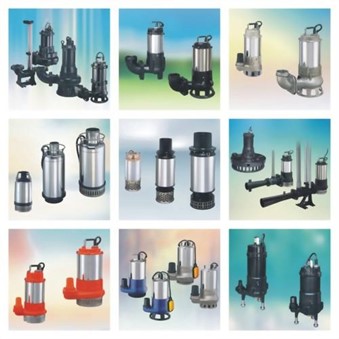
What is a Submersible Pump?
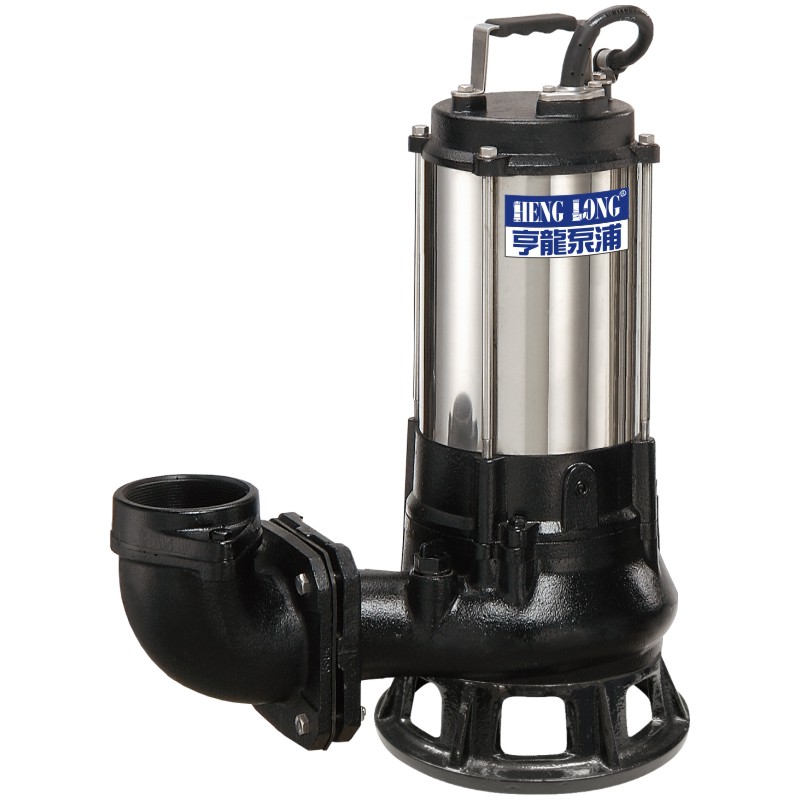

A submersible pump is designed to operate while fully submerged in the liquid it is pumping, typically water. It consists of a sealed motor and pump body that work together to push water to the surface.
Working Principle
The pump's sealed electric motor drives an impeller, which forces water through the pump's outlet to the surface. The sealed design prevents water ingress, allowing safe operation underwater.
Features
Submersible pumps are ideal for deep water sources, such as wells, boreholes, lakes, or reservoirs. They are commonly used in applications requiring high-pressure water delivery from significant depths.
Advantages
- Quiet Operation: Being submerged reduces noise and vibration, making them suitable for residential areas.
- Space-Saving: No need for surface-level infrastructure, saving valuable space.
- Clog Resistance: Many models feature anti-clogging mechanisms, ideal for handling debris-laden water in applications like wastewater management.
- Efficiency: Submersible pumps push water rather than pull it, reducing energy loss and improving performance in deep water scenarios.
Submersible pumps are a go-to choice for deep wells, sewage systems, and flood control, where reliable, high-pressure pumping is essential.
What is a Surface Pump?
A surface pump, as the name suggests, operates above the water source, drawing water through a suction pipe. These pumps are installed on dry ground, making them accessible and versatile for various applications.Working Principle
Surface pumps use suction to pull water from a source, typically through a hose or pipe, and then discharge it to the desired location. They rely on atmospheric pressure to lift water, limiting their suction depth to around 7 meters (23 feet).
Features
Surface pumps are best suited for shallow water sources like rivers, streams, ponds, or tanks. They are commonly used in irrigation, garden watering, and temporary water transfer tasks.
Advantages
- Ease of Installation: Surface pumps are straightforward to set up, requiring minimal infrastructure.
- Low Maintenance: Their accessibility makes inspection and repairs simple and cost-effective.
- Cost-Effective: Lower initial costs compared to submersible pumps, ideal for budget-conscious users.
- Portability: Many surface pumps are lightweight and portable, perfect for mobile or temporary applications.
Surface pumps are practical for scenarios where water sources are shallow and frequent access to the pump is necessary.
Submersible Pump vs. Surface Pump: Detailed Comparison
To help you decide between a submersible pump and a surface pump, we compare them across five key factors: installation location, performance, maintenance, durability, and cost.
-
Installation Location
Submersible Pump: Installed entirely underwater, typically in deep wells, boreholes, or submerged tanks. This makes them ideal for applications where the water source is below ground level or in flooded areas. The pump's submerged nature eliminates the need for priming (filling the pump with water to start suction), simplifying operation.
Surface Pump: Positioned above the water source, requiring a suction pipe to draw water. They are limited to shallow sources (less than 7 meters deep) due to the constraints of atmospheric pressure. Surface pumps are typically installed in dry, accessible locations like pump houses or near water tanks.
-
Performance
Submersible Pump: Excels in high-pressure, deep-water applications. Since the pump pushes water upward, it can handle significant depths (hundreds of meters in some cases) and deliver consistent flow rates. This makes them ideal for deep well irrigation, groundwater extraction, and industrial water supply systems.
Surface Pump: Best suited for stable, low-pressure flow from shallow sources. They perform well in applications like garden irrigation or transferring water from streams but struggle with deeper sources due to suction limitations. Surface pumps are less efficient for high-pressure demands.
-
Maintenance
Submersible Pump: The sealed design protects internal components from environmental exposure, reducing wear and maintenance frequency. However, repairs can be challenging, as the pump must be retrieved from underwater, requiring specialized tools or professional assistance. Regular checks for seal integrity and motor condition are necessary to ensure longevity.
Surface Pump: Easier to maintain due to their accessibility. Routine tasks like cleaning, inspecting, or replacing parts can be done without specialized equipment. However, exposure to dust, moisture, or debris can lead to more frequent maintenance needs compared to submersible pumps.
-
Durability and Lifespan
Submersible Pump: The sealed construction protects against corrosion, debris, and environmental factors, contributing to a longer lifespan (often 10–15 years with proper care). High-quality materials like stainless steel enhance durability in harsh conditions, such as corrosive groundwater.
Surface Pump: More susceptible to environmental wear, such as rust or debris accumulation, which can shorten lifespan. Proper housing and regular maintenance can mitigate these issues, but durability is generally lower than submersible pumps.
-
Cost
Submersible Pump: Higher initial costs due to complex design, sealed motors, and installation requirements. The need for professional installation in deep wells or submerged environments can further increase expenses. However, their efficiency and longevity often justify the investment for long-term projects.
Surface Pump: Lower upfront costs and simpler installation make them more budget-friendly. They are ideal for short-term or low-budget applications but may incur higher maintenance costs over time due to environmental exposure.
Choosing the Right Pump
The decision hinges on your specific requirements. For deep water sources (e.g., wells deeper than 7 meters) or high-flow, energy-efficient applications, a submersible pump is the better choice. Its ability to handle high-pressure tasks and operate quietly makes it ideal for residential, agricultural, or industrial deep-water needs. Conversely, for shallow water sources (e.g., streams or tanks), lower budgets, or portable applications, a surface pump offers simplicity and cost savings. Evaluate your water depth, flow rate, energy goals, and budget to make the best choice.
Finding the Perfect Pump for Your Needs
Both submersible pumps and surface pumps serve critical roles in water management, but their suitability depends on your project's demands. Submersible pumps shine in deep, high-pressure applications, offering quiet operation, durability, and efficiency. Surface pumps are ideal for shallow sources, providing affordability, portability, and ease of maintenance.By assessing factors like water depth, flow requirements, installation constraints, and budget, you can select the pump that delivers optimal performance and value. Grampus Pump is a professional manufacturer of submersible pumps in Taiwan. Please do not hesitate to contact us if you are unsure about whether to choose submersible pumps or surface pumps.
▲Check out our BC SERIES Cutter Sewage Submersible Pump!
2025-11-24