

Sewage Pump vs Sump Pump
Managing wastewater effectively is important, and pumps play a crucial role in achieving this goal. In this guide, as a professional dewatering sewage wastewater sump pump manufacturer, Grampus Pump (Heng Long Electric) will explore the differences between sewage pumps and sump pumps. We will help readers make informed decisions based on their requirements. Moreover, we will recommend our dependable products and submersible sump pump OEM service, with a particular emphasis on our pumps, which are ideal for sewage applications.
What is a Sewage Pump?

Sewage pumps are designed to move wastewater from one location to another when the gravity system isn't sufficient. Installed at the lowest point of the sewage basin, these pumps facilitate sewage transfer into the main sewer line. Operating on a centrifugal force generated by a motor, sewage pumps effectively lift sewage and solids, enhancing their reliability in wastewater treatment. The impeller and pump housing are constructed to allow the passage of solids without causing damage or obstruction.
Sewage pumps handle different types of wastewater, ranging from raw sewage to effluent from septic tanks. They play an important role in effective and reliable wastewater treatment and are an essential part of any sewage system.
-
Advantages of Sewage Pumps
- Reduces the risk of sewer clogs and drainage issues.
- Ideal for situations where existing pipelines are lower than septic tanks or sewer lines, rendering gravity ineffective. They can efficiently pump waste against gravity, preventing drainage issues.
- Reduces the need to regularly clean pipelines and large tanks, minimizing maintenance time and costs.
-
Applications of Sewage Pumps
- Water and wastewater treatment plants.
- Building septic tank drainage systems.
- Agricultural wastewater discharge from farms and livestock facilities.
- Wastewater discharge in schools, hospitals, and government institutions.
- Industrial wastewater discharge from food, paper, mining, textile, and leather industries.
Recommended Grampus Pump Products
- EX Series Explosion-proof Sewage Submersible Pump

EX Series explosion-proof sewage submersible pumps can be used in enclosed areas with biological methane, combustible gases, chemicals, and dust. In a hazardous area like Zone 1, Group IIB T4, the mixture of air, gas, vapor, or mist can cause an explosive environment. These products can be used in common circumstances and places where such hazardous environments may exist. They are ideal for industrial and agricultural wastewater discharge, sewage treatment plants, sewer systems, power plants, mining, chemical, petroleum, and livestock farms.
- BS series: Non-clog Apparatus Use Sewage Submersible Pump(2P)

What is a Sump Pump?

Sump pumps handle excess liquid entering homes or basement areas. Installed in specially constructed sump pits, these pumps draw water into appropriate drainage systems, such as roadside drains. The discharged water is directed away from the property to prevent re-entry into the basement or crawl space. Equipped with a water level controller, sump pumps automatically activate when water reaches a certain level, pump it to a safe location and deactivate it once the water level drops below a certain threshold. These pumps handle various liquid volumes and come in different sizes and styles to suit different needs and preferences. They are commonly used in areas where flooding or water seepage is a concern.
-
Advantages of Sump Pumps
- Capable of handling larger quantities of drainage in environments with fewer impurities.
- Easy installation and maintenance compared to sewage pumps.
- Suitable for long-term drainage in environments with relatively clean water.
-
Applications of Sump Pumps
- Home sewage and basement drainage.
- Car washing, garden watering, and small-scale landscaping drainage.
- Wastewater discharge from government institutions and residential communities.
- Small factories and general wastewater circulation or discharge.
Recommended Grampus Pump Products
- T Series Water-Cooling Sump Pump: Suitable for continuous water supply for wells, fishponds, hillside water supply, garden landscaping, and gardening. It has a special water-cooling design to prevent the motor from overheating.

- G Series Axial-Flow Large Volume Water Sump Pump: Designed with an axial impeller and large caliber for great flow, this sump pump is ideal for sewer equipment, waterworks, and hydraulic engineering.

Differences Between Sewage Pumps and Sump Pumps
- Purpose:
- Water Quality:
- Operation Mode:
- Maintenance:
Understanding these distinctions is crucial for selecting the appropriate pump based on specific needs and the nature of the water being handled, whether it's waste sewage or relatively clean water.
Your Trusted OEM Submersible Sump Pump Manufacturer – Grampus Pump
Taken together, sewage and sump pumps handle different types of wastewater and are designed for specific applications. Sewage pumps move sewage or wastewater containing solids and other debris from residential or commercial buildings to a municipal treatment plant. On the other hand, sump pumps remove water from basements or crawl spaces that may accumulate due to heavy rainfall or other water-related issues.
Choosing the right pump for your specific needs depends on various factors, such as the type of wastewater being handled, the volume of water to be pumped, and the location where the pump will be installed. Therefore, it's essential to carefully consider your specific requirements before deciding between a sewage pump or a sump pump. Ultimately, the goal is to choose the pump best suited to your needs so that it can operate efficiently and effectively for years.
If you are looking for a submersible sump pump OEM service, Grampus Pump (Heng Long Electric), based in Taiwan, is your best choice. Grampus Pump is a leading pump manufacturer in Taiwan with 30 years of experience. We design, research, and develop pump products and have three offices worldwide. Grampus ensures quality by monitoring every process closely. We offer a variety of pumps for different applications.
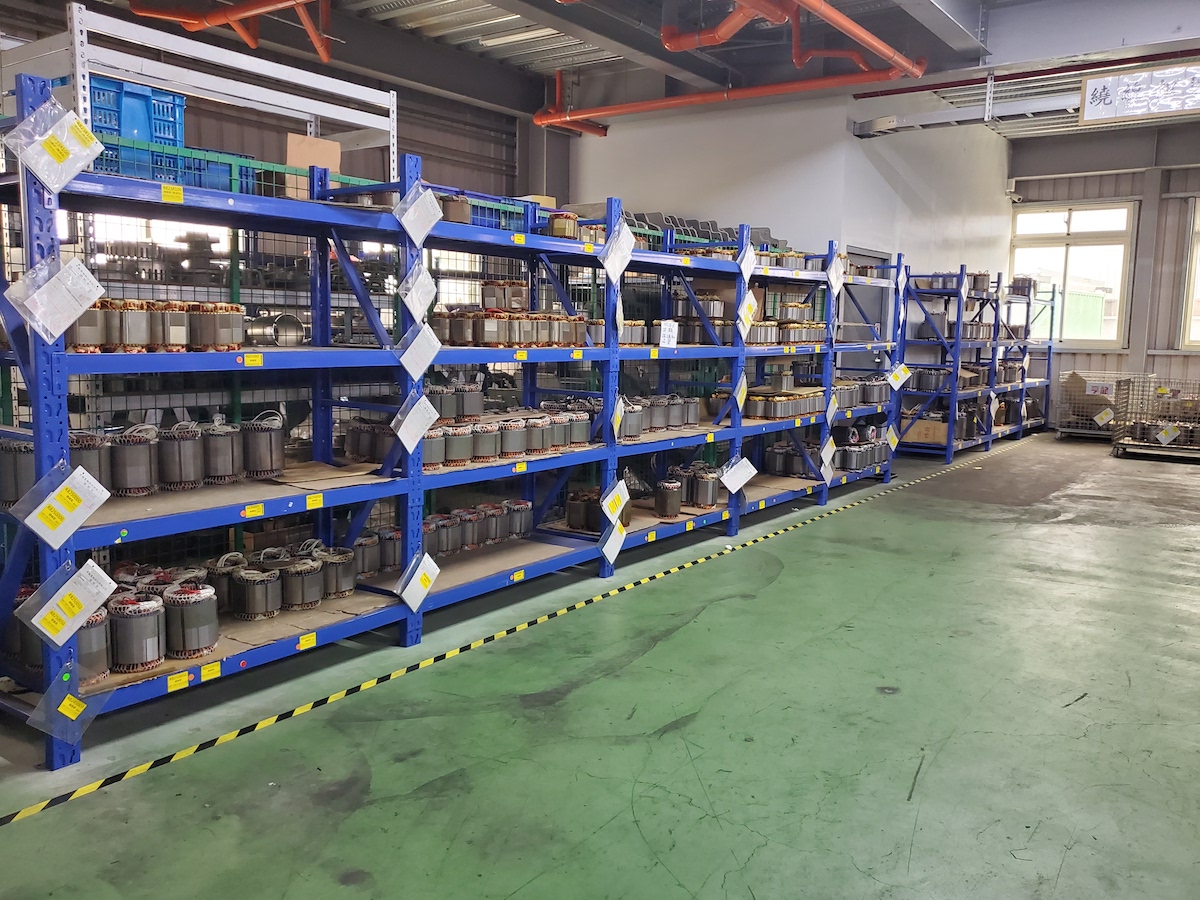
Our OEM process consists of confirming customer needs, product proofing and testing, confirming the final product, determining packaging, entering mass production, and product shipment and transaction. In addition to our main pump products, we also offer a range of supplementary products, including submersible ejectors, aerators, mixers, scum, guide rail systems, and automatic lifting devices.
Need a wastewater management solution? Please feel free to contact us!
2024-02-05